Designing Small Bathrooms with Effective Shower Layouts
Designing a small bathroom shower involves maximizing space while maintaining functionality and aesthetic appeal. Proper layout choices can create an open, inviting atmosphere despite limited square footage. Understanding the various configurations and design strategies is essential for achieving a balanced and efficient shower area.
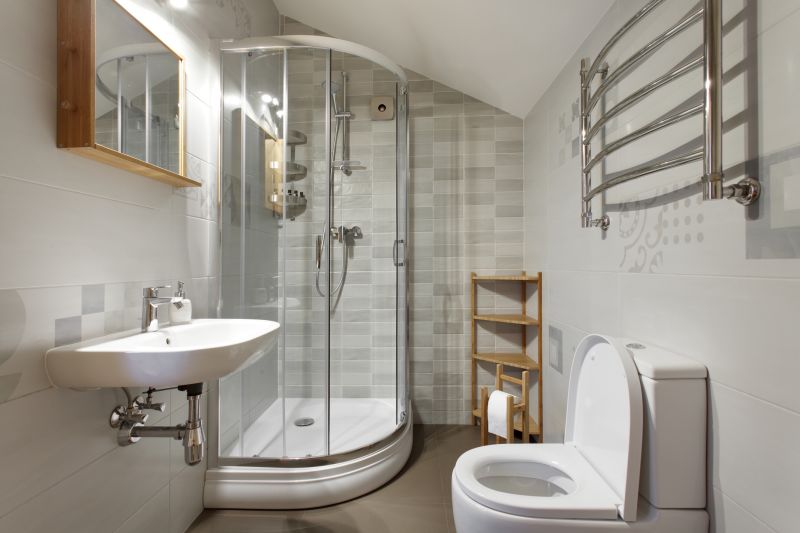
Corner showers utilize space efficiently by fitting into a corner, freeing up room for other fixtures. These layouts often feature sliding doors or pivoting doors to optimize accessibility without encroaching on the bathroom's footprint.
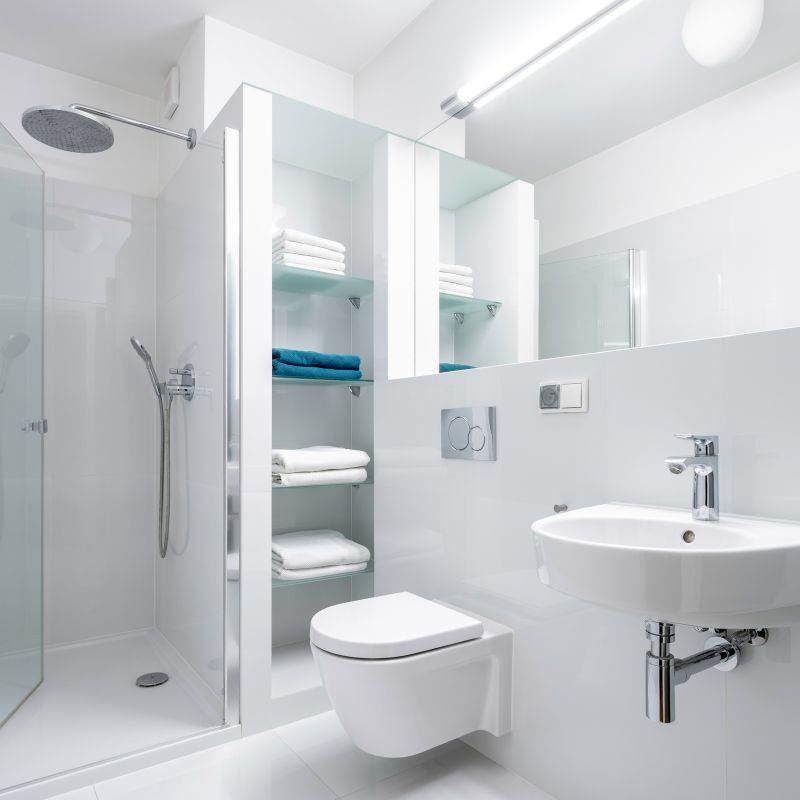
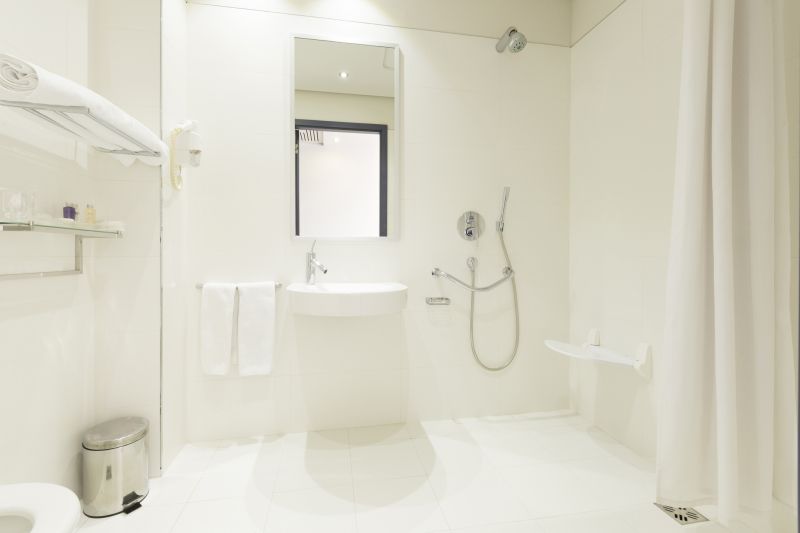
Walk-in showers provide a seamless look with minimal barriers, making small bathrooms appear larger. Frameless glass enclosures enhance openness, while strategic placement of fixtures maximizes the available space.
| Layout Type | Advantages |
|---|---|
| Corner Shower | Maximizes corner space, suitable for small bathrooms. |
| Walk-In Shower | Creates an open feel, easy to access. |
| Neo-Angle Shower | Uses angled glass to fit into tight spaces. |
| Quadrant Shower | Space-efficient with curved front, ideal for compact areas. |
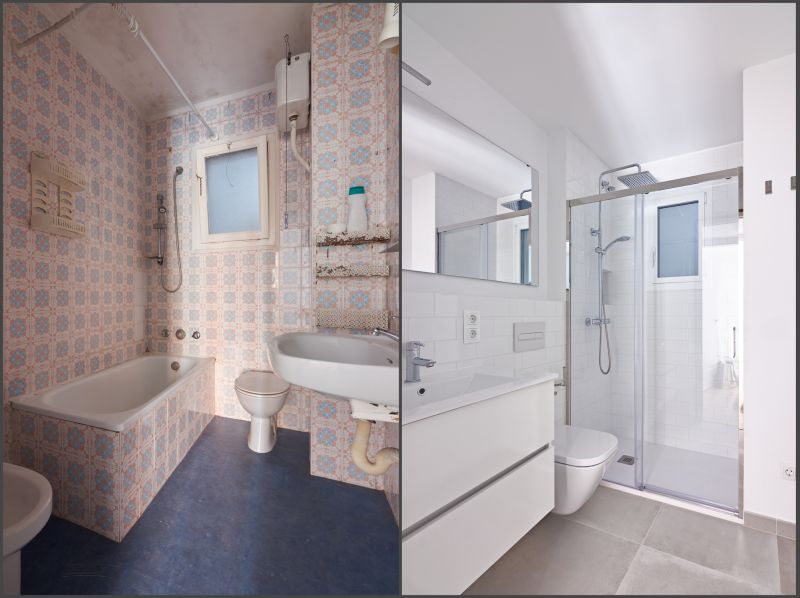
| Shower Tub Combo | Provides bathing option in limited space. |
Lighting plays a crucial role in small bathroom shower designs. Incorporating recessed lighting or LED strips within the shower enclosure can enhance visibility and create a bright, airy environment. Choosing light-colored tiles and reflective surfaces further amplifies the sense of space, making the shower area feel larger than its actual dimensions.
Material selection influences both the visual appeal and practicality of small bathroom showers. Clear glass enclosures are popular for their transparency and ability to make the space appear larger. Compact fixtures and fixtures with sleek profiles reduce clutter, while textured tiles can add visual interest without overwhelming the space.